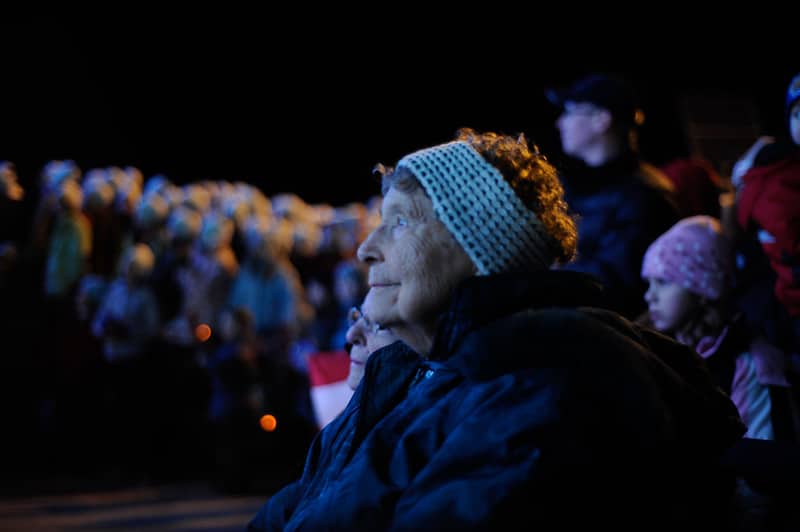
The City of Cranbrook is taking steps to ensure that the city is ready to meet the needs of her demographic, which is projected to make up 41% of Cranbrook’s population by 2035. The city has recently released their Age-friendly Community Action Plan, a document which will help the city set priorities and lay out the next steps towards ensuring the city is safe and welcoming for older adults.
As older adults age-in-place, they require not only continued access to local services, community, culture, and family but also a place where they are safe, one that they can call home. Thanks to funding from the Age-friendly Communities Grant Program, the Village of Lytton has moved forward on a Housing Needs and Demands Study, with the goal of ensuring seniors and elders have the support they need to live to the fullest.
Organizations in Surrey have been reporting increases in the number phone calls from older adults who are struggling, and many were noticing more older adults living in tenuous housing situations, or worse, aging on the street. Surrey knew that they had to act.
A few weeks ago, our Communications Manager Johanna and I had the good fortune of attending a public participation (P2) training put on by the International Association for Public Participation (IAP2). We met dozens of P2 and community engagement professionals from around Canada advocating for public input in a variety of sectors and projects. Community engagement is a pillar of Healthy Communities work, reinforcing a ‘whole of community’ approach involving individuals, communities, governments, and other entities in policy and decision making.
Most days at BC Healthy Communities I feel two things: fortunate and conflicted. I feel fortunate because my workplace is welcoming and safe and my coworkers are bright, caring and compassionate. I also feel fortunate because I get to work on projects that attempt to address complex social matters, which I find interesting and important. But I’m conflicted because there are days where I feel as though the work I do, engaging and researching with communities, might be more effectively done by someone who is actually experiencing the challenges and successes we as an organization try to understand and support.
In 2019 the Public Health Association of B.C. (PHABC) boasted its largest Summer School turnout to date, with nearly 200 people in attendance across the western Canadian board. The event, which was held July 4–5, brought together health care professionals to help introduce them to new concepts and themes surrounding public health. Comprised of keynote speakers, presentations and workshops that bring concepts into practice, Summer School equips attendees with learnings that they can practically apply in the public health workplace. The theme this year for the two-day event was Simplifying Complexity, Public Health Approaches and Practice in Complex Systems, which involved adaptive systems and how they can inform population-level intervention. Representatives from British Columbia, Alberta, Saskatchewan, Manitoba, and the Yukon were all remotely present during the presentations.