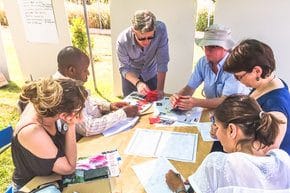
“It’s not a numbers game”: Getting to the heart of equitable engagement with Jessica Delaney of Delaney + Associates
Canadian communities are now more than ever expecting to be part of creating and evaluating public decisions.

Canadian communities are now more than ever expecting to be part of creating and evaluating public decisions.

Nine years ago, the Mid-Island Métis Nation (MIMN) could not pay rent, let alone develop and implement programs to tackle systemic issues in community health.

Local governments are at the front-line of seeing the impacts of poverty in their communities, and play a central role in developing local solutions with community partners and other levels of government.
Heart disease affects approximately 2.4 million Canadian adults aged 20 years and older, and is the second leading cause of death in Canada. Because February is “Heart Month,” we will see many events throughout Canada and the United States promoting suggestions for improving your heart health — from embracing healthier diets to quitting smoking. But what about the community that you live in? How does your neighbourhood affect your risk for heart disease?
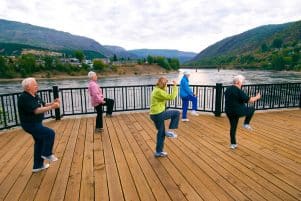
Recently, the City of Rossland, in partnership with the neighbouring City of Trail and the Village of Montrose, embarked on a regional strategy to ensure that older adults can continue to be involved and active in their community into their later years. The communities recently worked together to complete their Age-Friendly Community Action Plans, ensuring the documents contained both aligned regional priorities and plans specific to each community’s needs.

“For a small community like Wells, keeping [older adults] in the community becomes even more important, because that’s a lot of our community history, it’s volunteerism, traditional knowledge, it’s the life of our local non-profits,” says Wylie Bystedt, Marketing and Community Economic Development Coordinator for Wells. The community of just over 200 put that knowledge to work in recent years, when it embarked on its Age-friendly assessment